A Medical Crisis, Four Fathers, and an Uncomfortable Question
By Aunul Islam
Aunul Islam, read for his PhD at Imperial College, London. He graduated from the University of Manchester. He is a Quality Assurance Specialist in Higher Education and a Technology Consultant. He is an ex-civil servant of the UK government. A keen gardener, he finds solace through nature in this dysfunctional world order.
Imagine four fathers faced with the same tragedy.
Three belong to different faiths. Their beliefs differ, their prayers are directed in different ways, and their understanding of God is not the same. What they have in common is limited financial means.
The fourth father is an atheist. He is immensely wealthy.
When their children are diagnosed with a life-threatening illness, the three men of faith rely on ordinary hospitals and the treatment available to them. They pray, hope, and trust that their children will recover.
The atheist places his trust in medicine and uses his wealth to secure treatment at one of the world’s leading medical centres.
Months later, the results are stark. The atheist’s child survives. The other three children do not.
The outcome raises a question many would hesitate to ask:
Is money more powerful than God?
The scenario is striking because the three fathers come from different religious traditions. Whatever their theological differences, they face the same practical limitation: they cannot afford the level of care available to the wealthier father. In the end, it is not their faith that distinguishes them from the atheist, but their financial circumstances.
From a purely material perspective, the conclusion appears obvious. Money provided access to better facilities, specialists, technology, and treatment. Wealth translated directly into opportunity. In this instance, money seems to have achieved what faith did not.
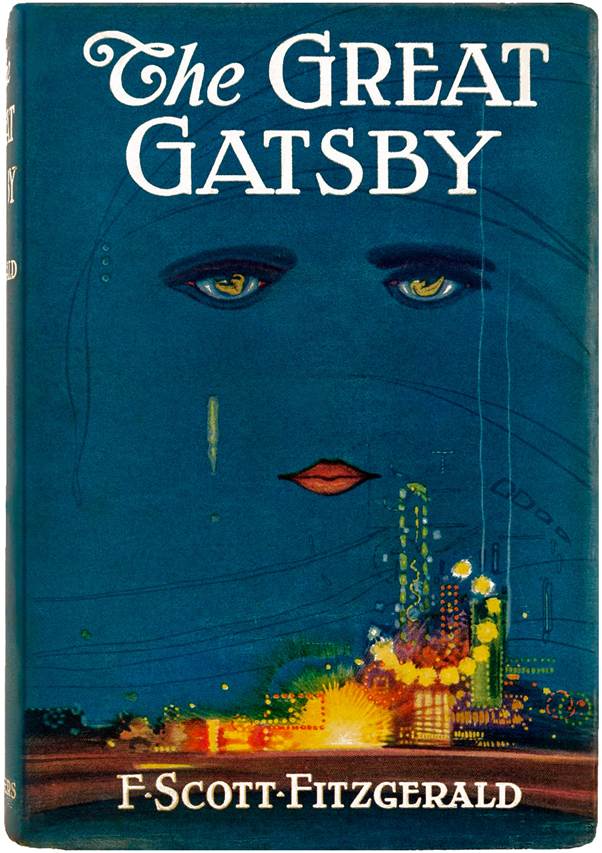
The question recalls a theme explored in F. Scott Fitzgerald’s The Great Gatsby. Gatsby believed wealth could overcome every obstacle and secure the future he desired. Fitzgerald never denied the power of money. On the contrary, he showed how dramatically it shapes lives and opens doors. Yet he also questioned whether money alone could provide everything people seek.
The medical scenario presents a more sobering version of that dilemma. Here, wealth does not buy luxury or status; it buys possibility. It increases the odds of survival itself.
For many observers, this is precisely why money can appear almost godlike in modern society. It influences where people live, how they are educated, how they are represented, and, increasingly, the quality of healthcare they receive. While faith may offer comfort and meaning, money often determines access.
None of this proves or disproves the existence of God. It simply highlights a reality that many find uncomfortable: in the world as it exists, financial resources can have a decisive impact on human outcomes.
Perhaps, then, the real question is not whether money is more powerful than God. It is whether modern society has created conditions in which money often exercises a form of power that many once associated with the divine.
As The Great Gatsby suggests, wealth may not answer life’s deepest questions, but for those standing outside the doors it can open, its power can seem almost limitless.