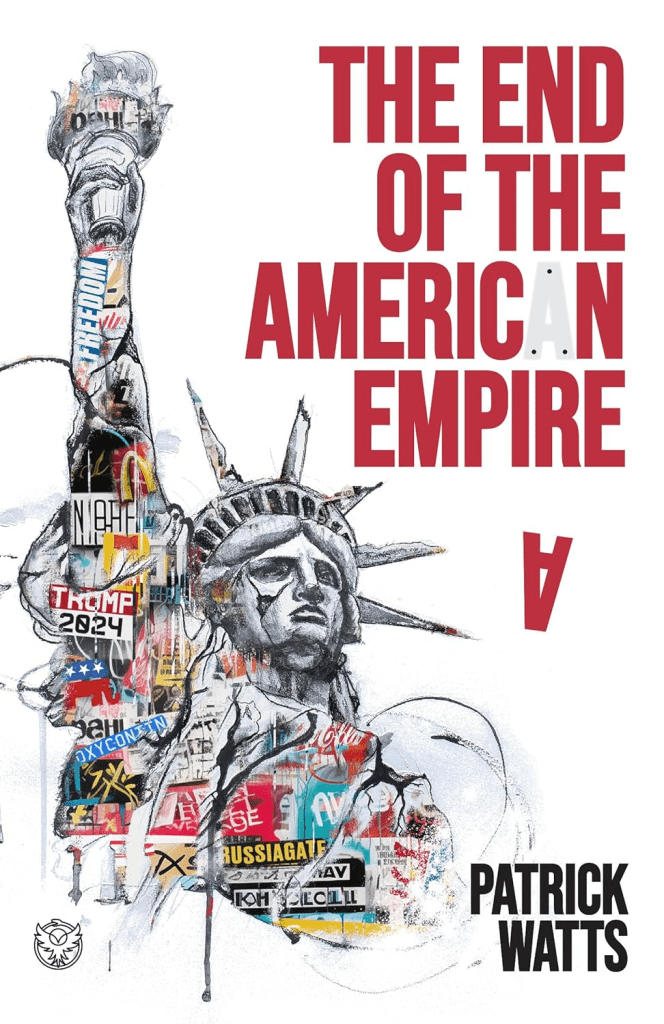
Source: https://grahamhancock.com/wattsp1/
Viral Empire: How Microbes Reflect Human Power Structures
By Aunul Islam, PhD (Imperial College, UK)
Modern power no longer operates primarily through borders or armies but through networks—supply chains, information flows, technology, and interdependence. In this sense, contemporary geopolitics resembles microbial systems more than traditional empires.
Microbes exert influence through connectivity, adaptation, and asymmetry. Small organisms can destabilise large systems by exploiting vulnerabilities, just as minor interventions can trigger outsized effects in a networked world. Power depends less on scale than on speed, positioning, and resilience.
Like microbes, political systems evolve under pressure. Expansion produces resistance, cooperation strengthens survival, and rigid structures fail in volatile environments. The greatest risk is not defeat by rivals but internal systemic collapse.
Seen this way, global power functions as a living ecosystem—adaptive, fragile, and continuously contested rather than permanently controlled.
In the above narration, the scientific expressions like mutation, virulence in the microbes behaviour have been translated in the business and strategic literature to relate them to humans. But this literature lacks sufficient emphasis on the destruction through wars and conflicts by humans on core aspects of their own life. This entails destruction of properties and other supporting elements such as hospitals, energy production etc.
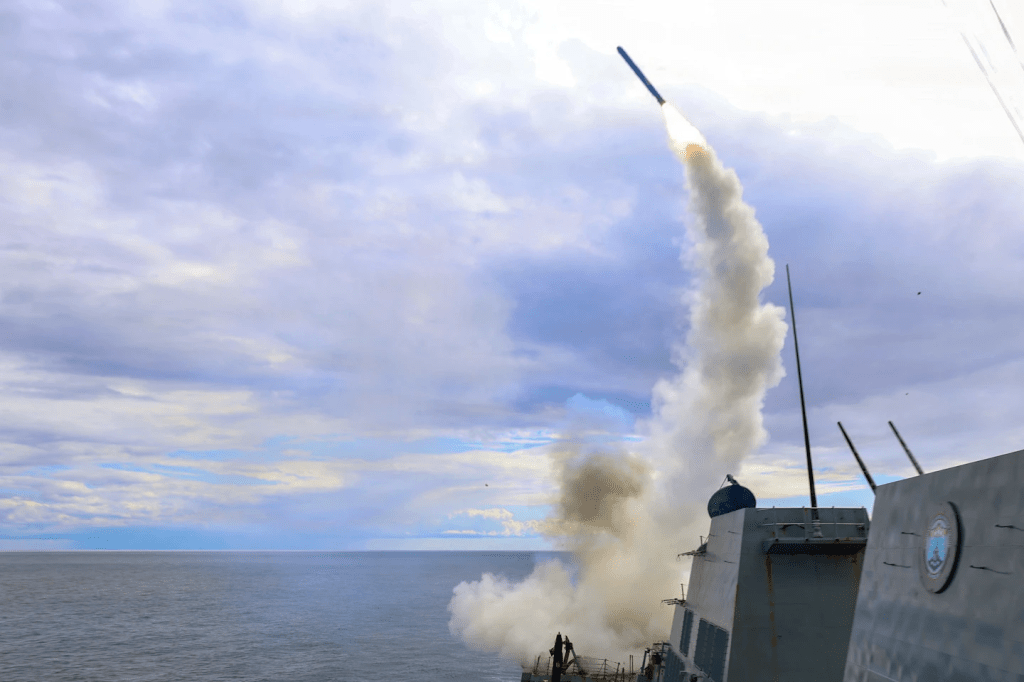
At this juncture, the anti-thesis to above narratives is that human empire or a Supreme Empire do not adhere to the simple modalities in present day geopolitics. The present empire dictated by a lone country (USA) along with its lackeys is no longer a traditional empire as depicted previously. The viral empire like that of the bubonic plague or even the Covid-19 virus are now long forgotten past. The present Super Empire is best described as the worst of its kind, genocidal in nature and any other terms that can be used to describe it, where new words have to be added to the dictionary.
The last hope of the present world order is that the super empire does behave like a viral empire and succumbs to its own systemic collapse. Maybe this will happen in the next few decades!
Sent from my iPhone


 Reflections on development and governance